Proximal Femur Nail (PFNA 2) Short About
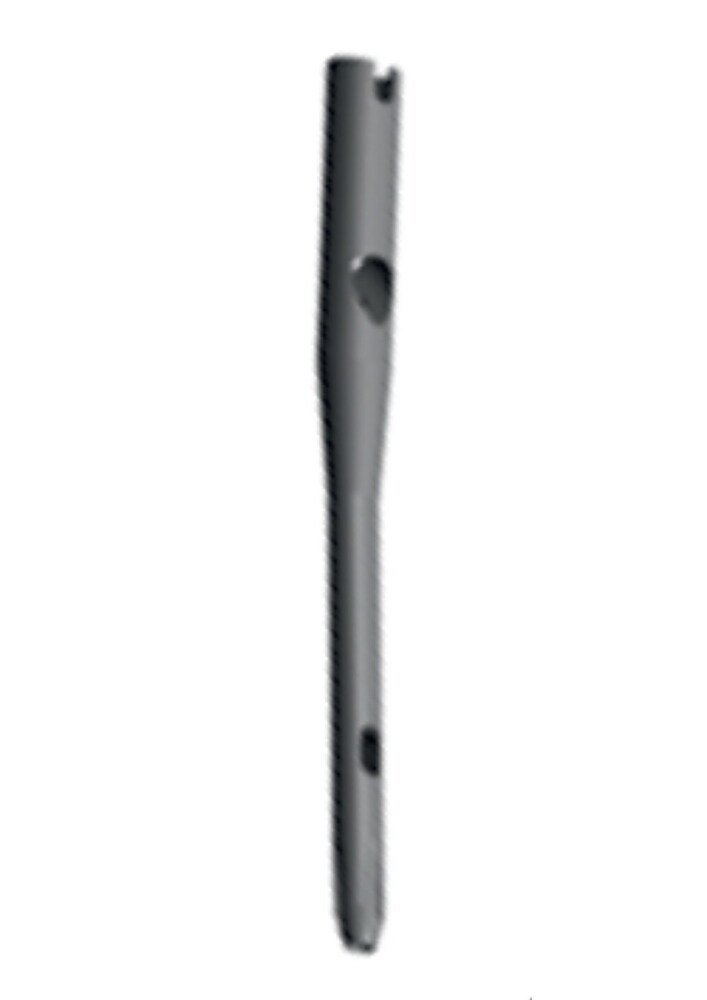
Capitalise on the outstanding performance of the Proximal Femur Nail (PFNA 2) Short, engineered for enlightened orthopedic trauma surgery. This imposing yet cost-effective implant is tailored for elderly or osteoporotic patients, addressing all AO/OTA 31-A1, A2, and A3 fractures. Personalise your procedures with static or dynamic distal locking and multiple nail diameters (9, 10, 11 mm). Its polished surface ensures biocompatibility and minimal tissue adhesion, while radiolucency allows optimal intraoperative imaging. Manufactured to CE, ISO 13485 standards, recyclable, and available in medical-grade titanium and stainless steel.
Versatile Applications & Special Features
The Proximal Femur Nail (PFNA 2) Short excels in treating intertrochanteric, subtrochanteric, and pertrochanteric femoral fractures. Its radiolucent design, static/dynamic locking, and cannulated structure for guide wire insertion enhance surgical precision. Compatible with the PFNA 2 system, this implant is ideal for trauma centers requiring adaptable solutions for diverse femoral fractures, ensuring safe, reproducible outcomes and quick recovery.
Sample Availability, Delivery & Domestic Market Coverage
A sample of the Proximal Femur Nail (PFNA 2) Short can be requested, subject to proposal amount and asking price negotiations. Products are securely packed and delivered swiftly to healthcare facilities nationwide from trusted dealers, distributors, and suppliers across India. Our commitment ensures each implant reaches you promptly, supporting consistent availability across domestic markets with outstanding after-sales support.
FAQ's of Proximal Femur Nail (PFNA 2) Short:
Q: How does the PFNA 2 Short improve surgical outcomes for elderly or osteoporotic patients?
A: The PFNA 2 Short provides enhanced stability and compatibility for fragile bone, supporting swift recovery and lower complication rates in elderly or osteoporotic patients.
Q: What makes the PFNA 2 Short suitable for intraoperative imaging?
A: Its radiolucent design allows clear visualization under X-ray, ensuring precise placement and optimal intraoperative imaging throughout the procedure.
Q: When should a surgeon consider using the static or dynamic distal locking options?
A: Static locking is generally employed for unstable fractures needing absolute stability, while dynamic locking allows controlled compression and is used for less complex fracture patterns.
Q: Where is the PFNA 2 Short primarily used in the body?
A: It is indicated for the proximal femur in cases of intertrochanteric, subtrochanteric, and pertrochanteric fractures.
Q: What materials are available for the PFNA 2 Short implant?
A: The PFNA 2 Short is manufactured using medical-grade 316L stainless steel or titanium Ti-6Al-4V, ensuring both strength and biocompatibility.
Q: How does the cannulated design of the PFNA 2 Short aid surgical procedures?
A: The cannulated design permits guide wire insertion, simplifying nail placement and improving surgical accuracy.





 Send Inquiry

 Send Inquiry
 Send Inquiry
 Send SMS